How to Recognize and Understand Rug Pull Scams in Crypto in 2026
· based on the channel New brand channel
Rug pull scams are a common and sophisticated form of crypto fraud where developers create meme coins or tokens with malicious intent to steal investors’ funds. A rug pull is not a mere hack or accidental failure but a carefully engineered exit strategy built into the token’s smart contract from the very beginning. Understanding rug pulls is essential for anyone trading meme coins or investing in new crypto projects to avoid becoming exit liquidity.
The foundation of a rug pull lies in the tokenomics and smart contract architecture. Scam creators design the token supply and emission schedules to ensure a large sell-off at the peak of hype, maximizing their profits before the token collapses. Liquidity pools, which are supposed to protect investors by locking funds, are often illusions. They may appear locked or audited but contain hidden dependencies or backdoors that allow the developers to drain liquidity at will.
Engineered Tokenomics Behind Rug Pulls
Tokenomics in rug pull schemes are rigged to facilitate a pump and dump cycle. Scammers typically:
- Inflate the total supply with a significant portion reserved for themselves.
- Set emission rates that create artificial scarcity early on and oversupply later.
- Use transaction taxes or fees strategically to manipulate token price and liquidity.
These engineered parameters create a false sense of value and momentum, enticing new investors to buy in before the final exit.
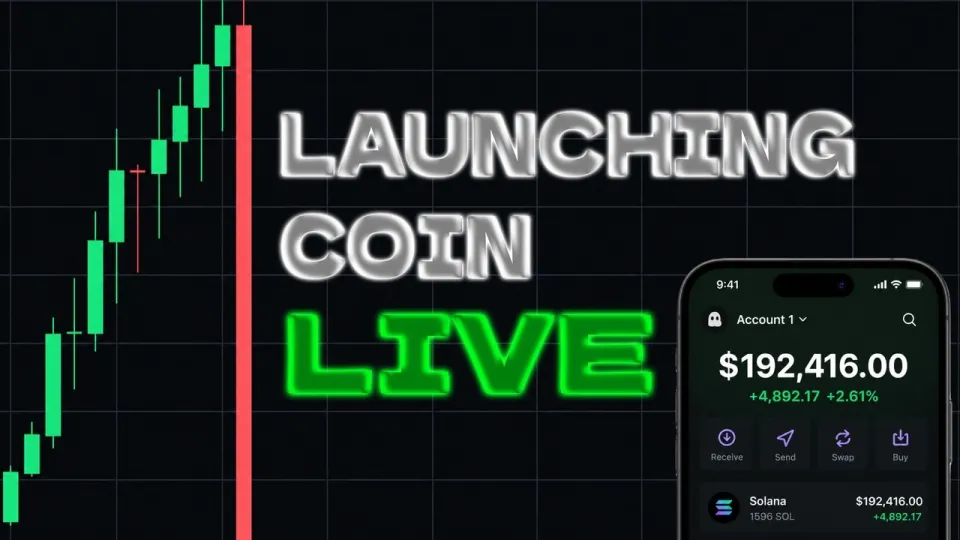
Video: Rug Pull Guide How to Launch a Meme Coin Step-by-Step
Liquidity Pool Illusions and Their Risks
Liquidity pools (LPs) are critical for trading tokens on decentralized exchanges (DEXs). In rug pulls, scammers use fake "locked" pools that seem secure but are actually vulnerable:
- Some LP tokens are locked with time locks or third-party services, but underlying contracts retain permissions to withdraw.
- Pools may depend on external contracts or oracles that scammers can manipulate.
- Scammers create dependencies that allow a "kill switch" to remove liquidity once the TVL (total value locked) reaches a target.
Recognizing these hidden dependencies requires technical analysis and caution before trusting liquidity locks.
Admin Backdoors Hidden in Smart Contracts
Smart contracts contain permissions known as admin keys or roles. Rug pull tokens often have backdoors disguised as normal features:
- Admin functions can mint new tokens arbitrarily.
- Permissions can renounce or reassign roles to hide control or regain it later.
- Functions labeled as harmless, like "pause" or "update," might freeze trading or redirect funds.
Reviewing contract code or relying on expert audits can help identify these dangerous backdoors.
The Kill Switch Logic and Timing
Rug pull scammers embed kill switches that stay dormant until the token’s liquidity and hype peak:
- These triggers activate when TVL or trading volume hits a threshold.
- Once activated, they enable instant liquidity removal or token devaluation.
- This timing ensures maximum exit profits while leaving investors with worthless tokens.
Understanding this logic can help traders spot suspicious project behavior before a collapse.
How to Spot Rug Pull Patterns On-Chain
Forensic on-chain analysis is the best tool to detect rug pulls early. Key indicators include:
- Sudden large transfers of LP tokens or admin wallet activity.
- Unusual minting or burning of tokens outside normal market behavior.
- Ownership of contract not renounced or frequently changing.
- Liquidity removal transactions soon after a pump.
Monitoring these signs using blockchain explorers and DEX trackers can reduce risk.
Common Questions About Rug Pulls
What is the easiest way to identify a potential rug pull?
Check if the liquidity pool is genuinely locked and whether the contract ownership has been renounced. Also, review tokenomics for suspicious token allocations.
Can rug pulls happen on Solana or only on Ethereum?
Rug pulls can occur on any blockchain that supports smart contracts, including Solana. Each network has unique risks and tools for detection.
Are all meme coins risky?
Not all meme coins are scams, but many have high risk due to lack of regulation and frequent use as vehicles for rug pulls.
How can I protect myself from rug pulls?
Conduct thorough research, use on-chain analysis tools, avoid projects with hidden admin controls, and never invest more than you can afford to lose.
Useful Links
- Official educational resource and launch tools: https://launch-tool.org
Conclusion
Rug pulls represent a calculated and highly technical form of crypto scam designed to exploit hype around meme coins and decentralized finance. By understanding the engineered tokenomics, fake liquidity pools, hidden admin backdoors, and kill switch logics, investors can better protect themselves. Forensic on-chain analysis is crucial to spotting red flags early. The detailed breakdown and educational content provided by the New brand channel empower traders and developers alike to identify and avoid these scams. For further learning and practical tools, visit launch-tool.org to enhance your crypto security awareness and avoid becoming exit liquidity.
Key takeaways
- Rug pulls are premeditated exit scams coded into smart contracts from launch.
- Fake liquidity pools often appear locked but have hidden dependencies.
- Admin backdoors grant scam creators full control over tokens and liquidity.
- Tokenomics are manipulated to maximize final dump profits.
- Forensic on-chain analysis can reveal red flags before a collapse.
Questions & answers
What exactly is a rug pull in crypto trading?
A rug pull is a scam where developers create a token or coin with malicious intent, then suddenly withdraw liquidity or manipulate the token’s value, causing investors to lose money. It is an exit scam built into the smart contract from the start.
How do scammers manipulate liquidity pools in rug pulls?
Scammers often create fake or supposedly locked liquidity pools that contain hidden dependencies or backdoors. These allow them to remove liquidity at any time despite appearances, enabling the rug pull.
Can rug pulls happen on any blockchain platform?
Yes, rug pulls can occur on any blockchain that supports smart contracts, including Ethereum, Solana, and others. Each platform has different technical features but similar vulnerabilities.
What are key signs to avoid investing in a rug pull token?
Look for unrenounced contract ownership, suspicious tokenomics favoring developers, fake liquidity locks, unusual admin permissions, and early large liquidity withdrawals. Using on-chain analysis tools helps detect these risks.
Source: Rug Pull Guide How to Launch a Meme Coin Step-by-Step · Markdown version